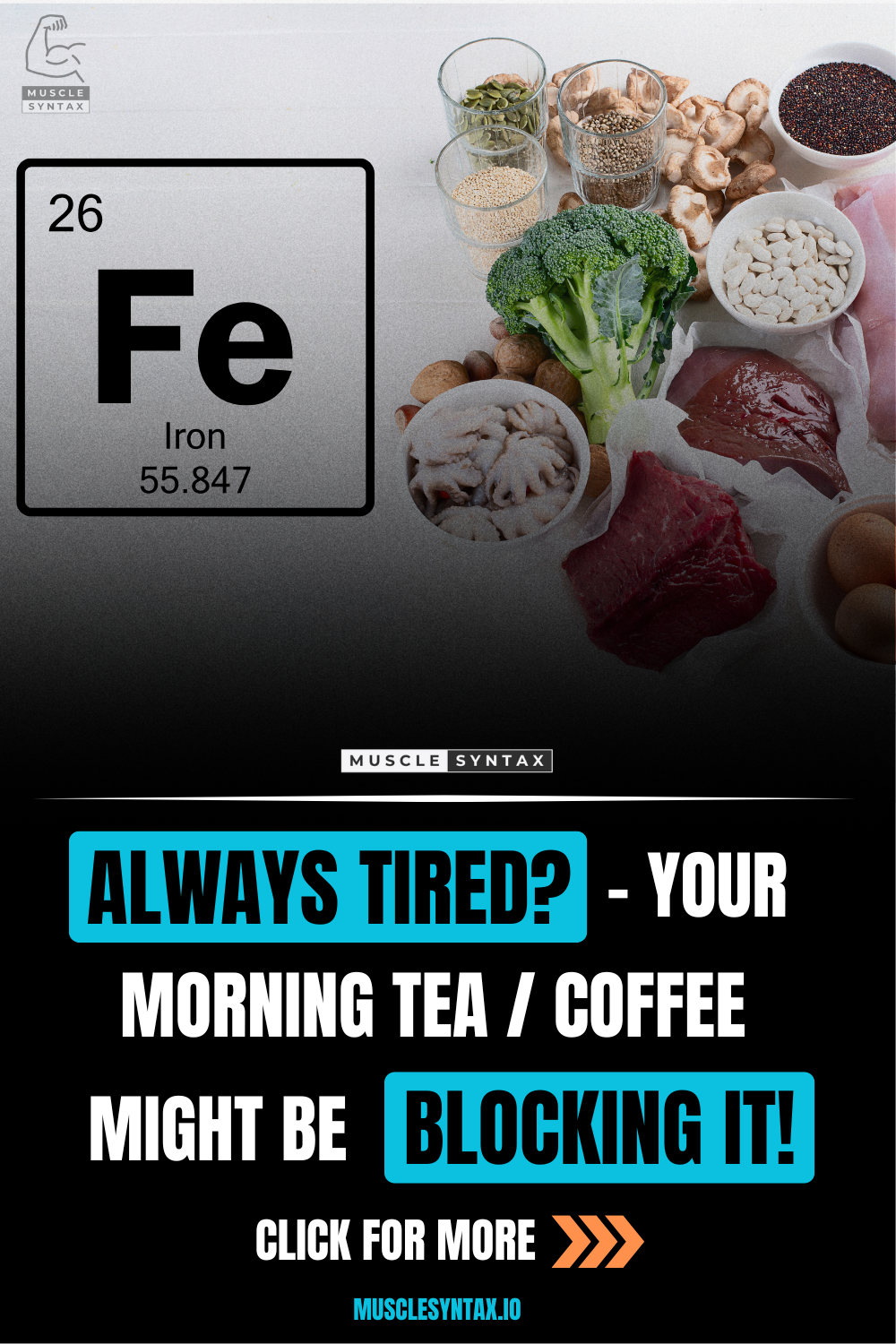
🩸 Iron is essential for oxygen transport, energy, and focus.
🚨 Low iron = fatigue, weakness, poor concentration, reduced performance.
🥩 Heme iron (meat, poultry, fish) is absorbed better than 🌱 non-heme iron (plants, beans, spinach).
🍊 Vitamin C supercharges absorption, while tea/coffee can block it.
🍳 Cooking in cast iron pans or using a Lucky Iron Fish can add iron to food.
⚠️ Iron deficiency is the most common nutritional disorder worldwide (WHO, 2020).
⚠️ Disclaimer: I’m not a doctor or medical professional. This article is for educational purposes only and is not medical advice. Always consult your healthcare provider before changing your diet, taking supplements, or if you suspect iron deficiency.
Iron isn’t just another mineral — it’s the backbone of how your body makes and moves energy. About 70% of the body’s iron is found in haemoglobin (in red blood cells) and myoglobin (in muscle tissue). These proteins carry oxygen from your lungs to every cell, powering your brain, muscles, and metabolism.
If iron levels drop too low, oxygen delivery slows down. That’s when fatigue, brain fog, and poor physical performance kick in. Athletes, students, and busy professionals alike can feel the effects. Long-term deficiency can spiral into anaemia, which significantly impacts quality of life.
📚 Reference: Beard JL. “Iron biology in immune function, muscle metabolism and neuronal functioning.” J Nutr. 2001;131(2):568S–580S. Link
What Causes Low Iron?
Iron deficiency is widespread — it’s estimated that over 1.6 billion people worldwide are affected (WHO, 2020). The reasons vary:
❌ Not enough intake: Plant-heavy diets without careful planning, or diets low in red meat, can miss key sources of iron.
🏃 Increased demand: Athletes burn through iron faster due to higher red blood cell turnover. Pregnancy also increases iron needs by ~50%.
💉 Blood loss: Menstruation is one of the most common causes in women, while ulcers, internal bleeding, or frequent blood donation can deplete men too.
🩺 Absorption problems: Conditions like celiac disease or inflammatory bowel disease reduce the gut’s ability to absorb iron.
☕ Excess tea/coffee: Polyphenols and tannins found in tea, coffee, and even red wine can bind to iron and block absorption if consumed with meals.
📚 Reference: McClung JP, Murray-Kolb LE. “Iron nutrition and premenopausal women: effects of poor iron status on physical and neuropsychological performance.” Annu Rev Nutr. 2013;33:271–288. Link
Heme vs Non-Heme Iron
There are two types of dietary iron — and how well your body absorbs them makes all the difference.
🥩 Heme Iron (Animal-Based)
Heme iron is found in animal products like beef, lamb, liver, poultry, and fish. It’s more bioavailable, meaning your body absorbs 15–35% of it without much interference. For this reason, even small amounts of meat in a mixed diet can help improve iron status dramatically.
🌱 Non-Heme Iron (Plant-Based)
Non-heme iron comes from plant foods like beans, lentils, spinach, tofu, nuts, and fortified cereals. While these foods can contain plenty of iron, absorption rates are lower (2–20%) and more easily blocked by other compounds. Vegetarians and vegans must pay extra attention to pairing plant-based iron sources with enhancers like vitamin C.
📚 Reference: Hallberg L, Brune M, Rossander L. “Effect of ascorbic acid on iron absorption.” Am J Clin Nutr. 1989;49(1):140–144. Link
Best Iron-Rich Foods
🥩 Animal Sources (Heme Iron)
Beef liver — 6.2 mg per 100g
Red meat (beef, lamb) — ~2.7 mg per 100g
Chicken thigh — ~1.3 mg per 100g
Sardines — 2.9 mg per 100g
Animal sources are powerful because even small amounts can boost overall iron absorption from other foods eaten at the same meal.
🌱 Vegetarian Sources (Non-Heme Iron)
Lentils (cooked) — 3.3 mg per 100g
Spinach (cooked) — 2.7 mg per 100g
Pumpkin seeds — 8.8 mg per 100g
Tofu — 5.4 mg per 100g
Fortified cereals — up to 12 mg per serving
For vegetarians and vegans, combining these foods with citrus fruits, peppers, or other vitamin C-rich foods can make a major difference.
How to Absorb More Iron
Getting enough iron isn’t just about what you eat — it’s about how you eat it.
✅ Pair with Vitamin C Vitamin C enhances non-heme iron absorption up to threefold. Adding oranges, strawberries, or bell peppers to a meal with beans or spinach can turn a moderate source into a strong one.
✅ Cook in Cast Iron Cooking in cast iron skillets or pots naturally increases the iron content of food. Acidic dishes like tomato sauces pull even more iron from the pan.
✅ Use the Lucky Iron Fish This is a small, fish-shaped piece of cast iron you can boil in water or soup for 10 minutes to release a safe dose of dietary iron. It’s been used worldwide as a low-cost solution for iron deficiency.
✅ Mix Meat & Plants Adding even a little heme iron (like chicken or fish) to a plant-based meal boosts the absorption of non-heme iron in the same dish — this is called the “meat factor.”
❌ Avoid Blockers at Mealtimes Tea, coffee, and red wine can bind iron and prevent absorption. Calcium (from dairy or supplements) can also reduce absorption if taken at the same time. Try spacing these away from iron-rich meals.
📚 Reference: Hallberg L, Brune M, Rossander L. Am J Clin Nutr. 1989. Link
The Cost of Low Iron
The cost of low iron isn’t just personal — it’s global. At the individual level, people experience fatigue, weakness, pale skin, brittle nails, brain fog, and reduced physical performance. In severe cases, iron deficiency progresses to anaemia, requiring medical treatment.
On a larger scale, iron deficiency is the leading cause of lost productivity worldwide. The World Health Organization (WHO) estimates that iron deficiency reduces work capacity and cognitive performance, costing billions in economic losses every year. For students and children, it directly affects learning and brain development.
📚 Reference: Stoltzfus RJ. “Iron deficiency: global prevalence and consequences.” Food Nutr Bull. 2003;24(4 Suppl):S99-103. Link
The Final Takeaway
Iron is a non-negotiable part of human health. Without it, your body can’t move oxygen, power your muscles, or keep your brain sharp.
🥩 Meat-eaters should focus on red meat, liver, poultry, and fish.
🌱 Vegetarians & vegans need beans, lentils, tofu, seeds, spinach, and vitamin C pairings.
🍳 Simple lifestyle hacks — like cooking in cast iron or using a Lucky Iron Fish — can help boost intake.
🛒 Recommended Products
🍳 Iron-Boosting Cookware
Cast Iron Skillet 🇬🇧 Buy on Amazon UK → ✔️ Cooking in cast iron naturally boosts the iron content of your meals. Durable, versatile, and perfect for everything from stews to stir-fries — a timeless kitchen upgrade with health benefits built in.
Disclosure: This post contains affiliate links. As an Amazon Associate, I earn from qualifying purchases — at no extra cost to you. I only recommend products I personally use, trust, or believe in.
👉 If you feel constantly fatigued or suspect low iron, get tested. Iron supplements or treatments should always be guided by a healthcare professional. Too much iron can damage organs — balance is key.